


S.21/E.19
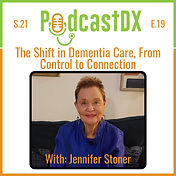
The Shift in Dementia Care
From Control to Connection
Jennie is a retired professor from Aurora University in Aurora, Illinois, where she taught in recreation administration and therapeutic recreation, helping train future professionals to design meaningful, person‑centered programs for older adults and people living with disabilities.
She has spent much of her career at the intersection of aging, recreational therapy, and program administration, with a special interest in how purposeful leisure and engagement can support quality of life for people living with dementia.
Through her academic work and consulting, she’s been part of a broader movement to move dementia care away from simply controlling behaviors and toward connection, dignity, and participation—in long‑term care, adult day programs, and community settings.
Modern dementia care is shifting from controlling behavior to fostering emotional connection and person-centered engagement, focusing on quality of life over mere clinical management. This shift prioritizes understanding the person's history and emotions, utilizing techniques like the NCCDP Four R’s—reassure, routine, reminisce, and redirect—to create a supportive environment. This approach improves well-being, lowers distress, and reduces the need for heavy medication.
Key Aspects of the Shift
-
From Controlling to Connecting: Instead of attempting to control behaviors, caregivers are encouraged to connect with the emotions behind them. This involves validating feelings, reducing environmental triggers, and building trust.
-
Person-Centered Approach: Care is tailored to the individual's unique history, preferences, and needs rather than adopting a one-size-fits-all, institutionalized approach.
-
Purposeful Engagement: Programs often use a structure that connects emotionally (music, conversation), moves the body (therapeutic exercises), and encourages learning or reminiscing to boost cognitive function.
-
Focus on Relationships: The care philosophy emphasizes meaningful interactions, laughter, and affection, which strengthens bonds between caregivers and those living with dementia.
-
Redirecting Instead of Arguing: Modern approaches use redirection techniques—such as changing the topic or focusing on a favorite activity—to manage agitation, rather than confronting the individual with reality.
Core Elements of Modern Dementia Care
-
Emotional Connection: Recognizing and validating the emotions of the person with dementia is paramount.
-
Environmental Adaptation: Creating a familiar, safe, and stimulating environment that minimizes confusion and maximizes comfort.
-
Meaningful Activity: Engaging in activities that spark joy and purpose, such as music, art, or familiar tasks.
-
Support for Caregivers: Acknowledging the need for support, education, and respite to prevent caregiver burnout, as highlighted in this NIH report and this Frontiers in Dementia article.
-
Holistic Support: Addressing the physical, social, and emotional needs of the individual, as discussed in this ReachLink article.
This evolution in care acknowledges that even as cognitive abilities decline, the need for emotional connection and human dignity remains, as discussed in this Frontier article.